
 WhatsApp:
  Email:
Customer Test: Xspeed Stainless Steel Propeller on a Suzuki 40 HP Outboard
Test summary: A customer installed an Xspeed three-blade stainless steel propeller on a Suzuki 40 HP outboard, inspected it at the stern and recorded an on-water run. The material confirms installation and sustained forward operation. It does not show GPS speed, engine rpm, fuel consumption, boat load or a before-and-after baseline, so this is a functional customer test rather than a quantified performance comparison.
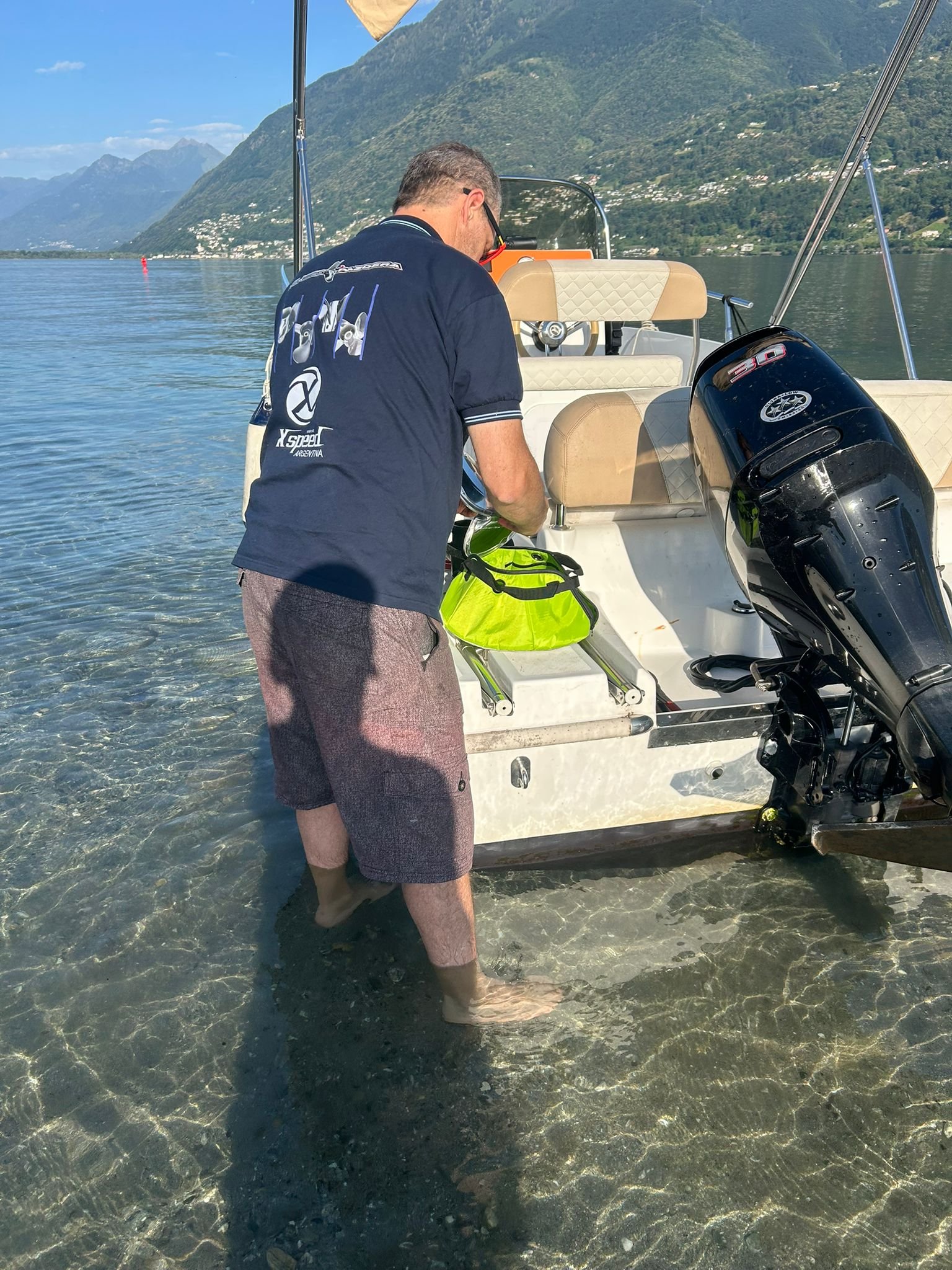
What Was Tested
- Outboard: Suzuki 40 HP, as identified in the customer's test material.
- Propeller: Xspeed polished stainless steel, three-blade design.
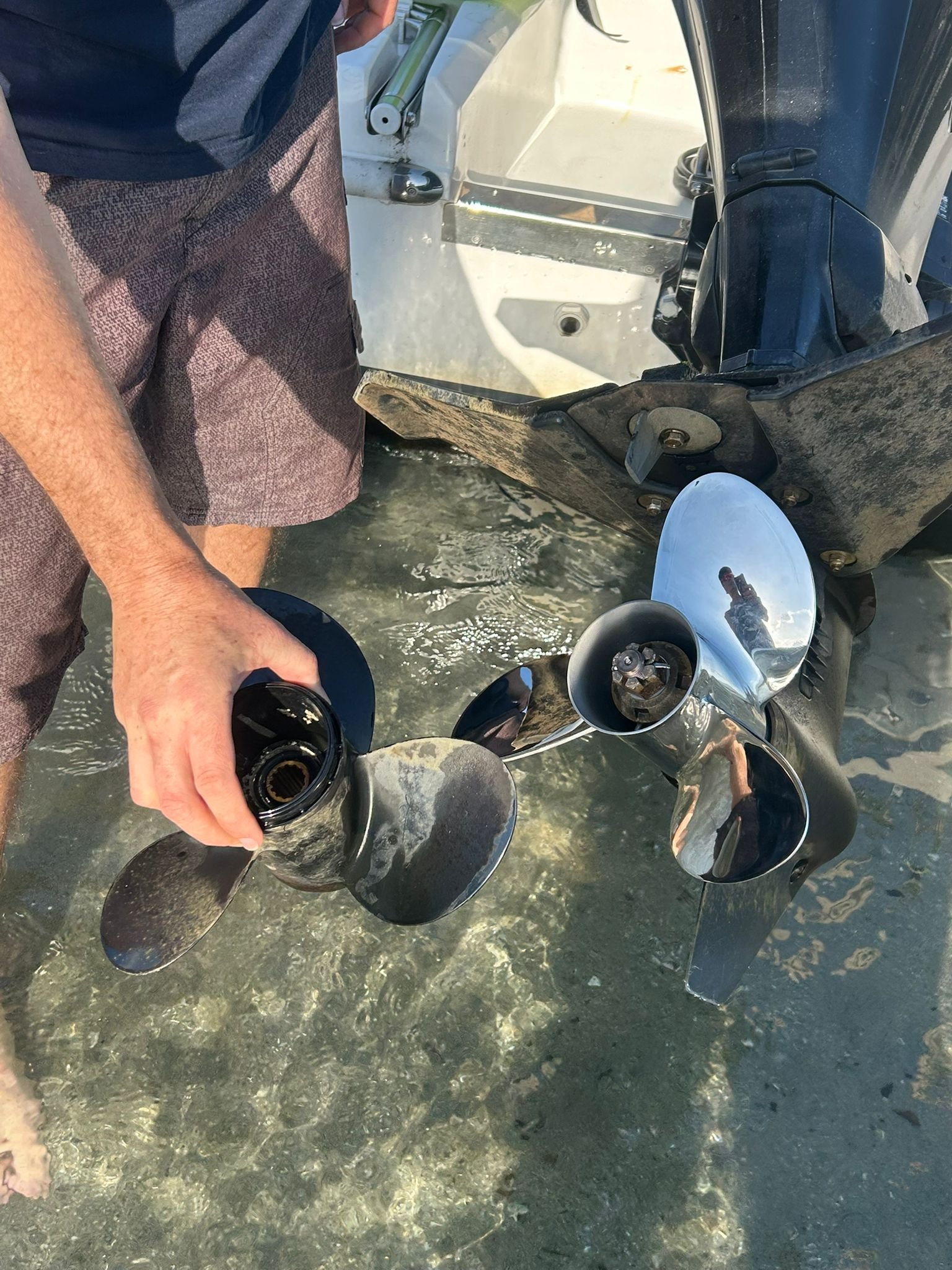
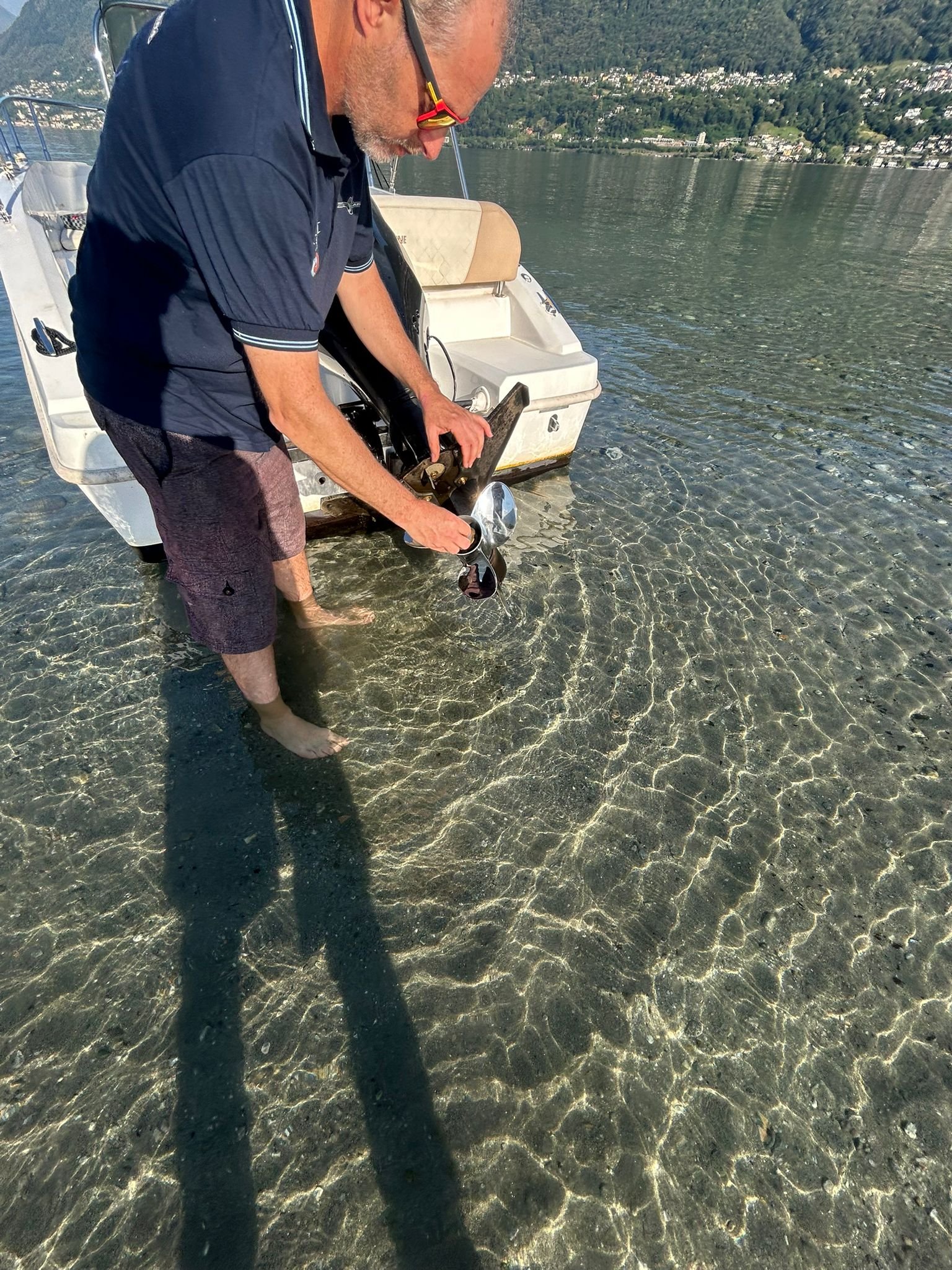
- Checks shown: Propeller handling, installed condition and stern-side inspection.
- Water test shown: Acceleration followed by continuous forward running on a lake.
The exact propeller diameter and pitch cannot be read reliably from the supplied media, and the boat model and test load were not provided. Those details are therefore not inferred here.
Watch the Customer Test
What the Video Shows
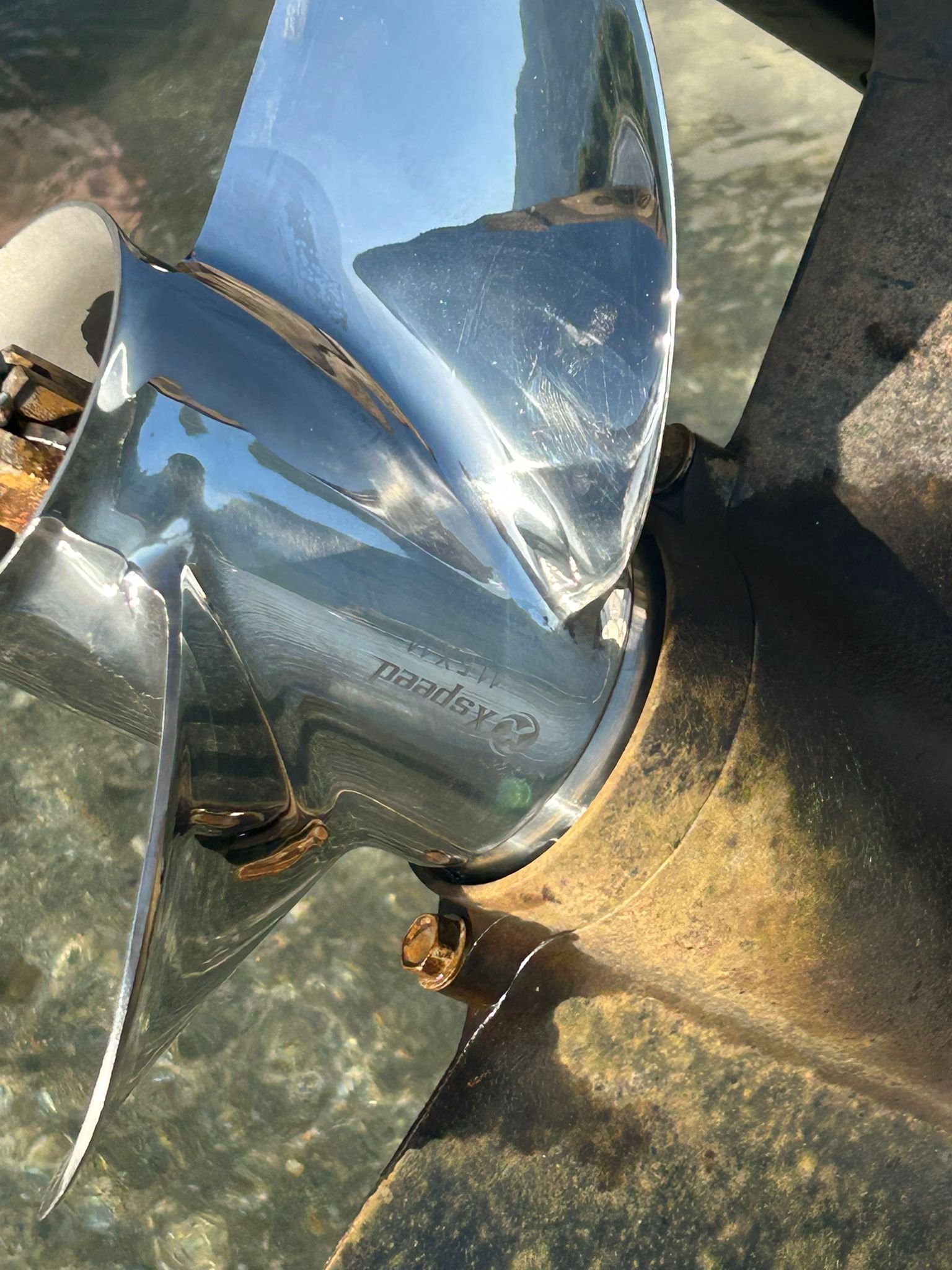
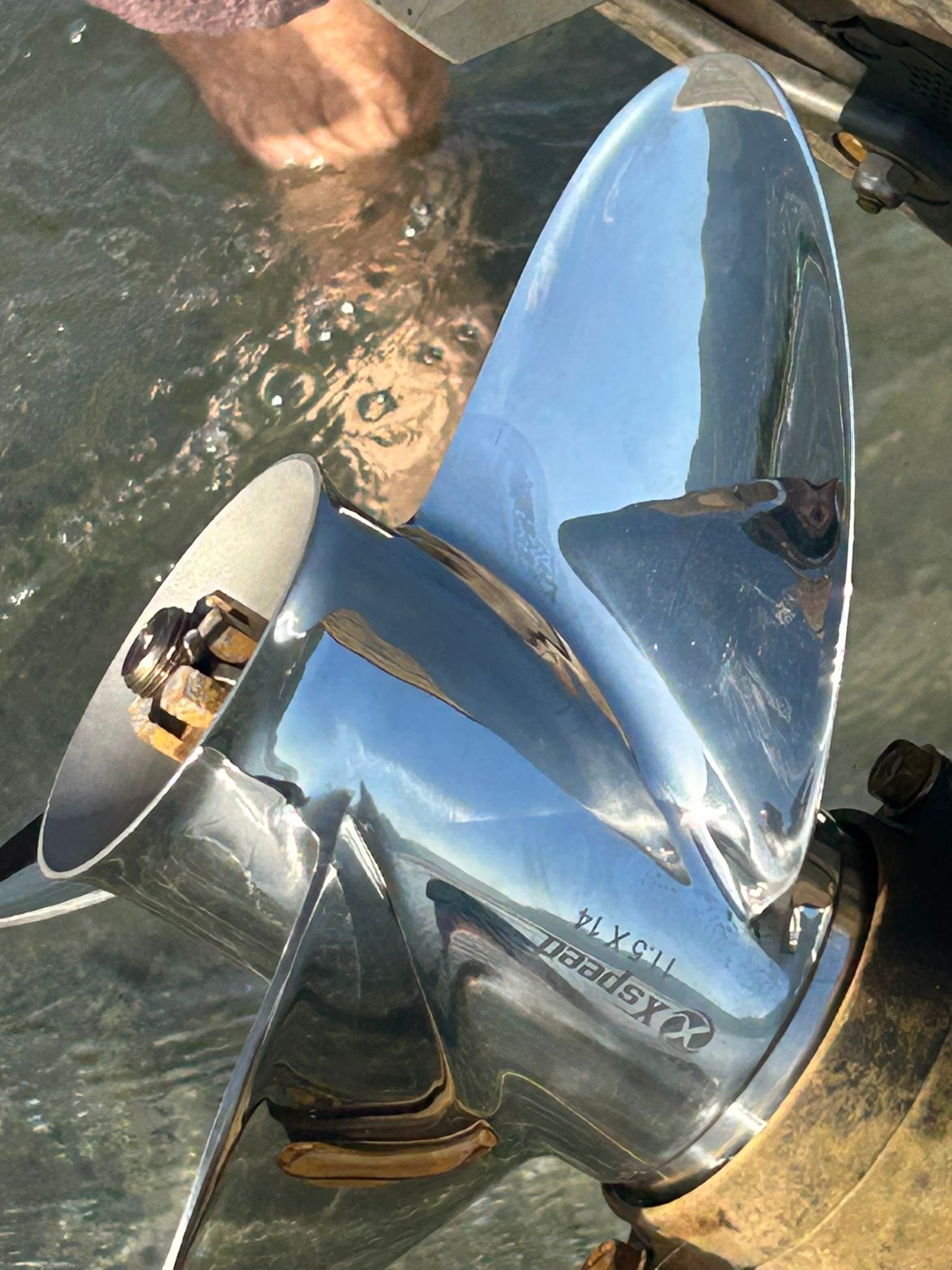
The sequence shows the Suzuki outboard at the stern, the boat accelerating and then maintaining forward travel with a visible wake. Together with the installation photos, it provides useful evidence that the propeller was fitted and operated in a real recreational setting.
Some performance questions cannot be answered from appearance alone. The video does not provide enough information to claim a specific speed increase, faster planing time, reduced fuel use or an absence of ventilation or cavitation under every condition.
Installation and Inspection Photos
How to Make the Next Test More Measurable
A useful propeller comparison controls the conditions and records the same data with the old and new propellers. For a follow-up test, record:
- GPS speed and engine rpm at wide-open throttle.
- Time to plane using the same trim procedure.
- Boat load, passenger count and fuel level.
- Water, wind and test direction.
- Propeller diameter, pitch, rotation and hub configuration.
Suzuki publishes a 5,000–6,000 rpm full-throttle operating range for the DF40A. The exact engine model, model year and owner's manual must still be checked before using that range for propeller selection. A correct test should keep the engine inside its specified range under the normal operating load.
Why Consider Stainless Steel?
Stainless steel is stiffer than aluminum, which can help a well-matched blade retain its designed shape under load. It also offers a durable polished surface. Those properties do not guarantee a performance gain by themselves: diameter, pitch, blade geometry, engine height, trim, gearcase and boat load still determine the result. Stainless steel also costs more and may transmit impact loads differently, so fitment and operating conditions matter.
Fitment note: Horsepower alone does not identify the correct propeller. Confirm the exact Suzuki model and year, shaft spline, rotation, current diameter and pitch, gearcase and normal load before ordering. See the size-marking guide and follow the outboard propeller installation guide for the relevant checks.
Check Your Suzuki Propeller Fitment
Use the Finder for an initial match, or send the engine model, year, current propeller marking and normal boat load to the Xspeed team.
Frequently Asked Questions
Is a stainless steel propeller suitable for a Suzuki 40 HP outboard?
It can be suitable when the diameter, pitch, spline, rotation, hub and gearcase match the exact engine and boat. Horsepower alone is not enough to confirm fitment.
Does this customer video prove a speed increase?
No. It confirms installation and on-water operation, but it does not include a GPS reading, tachometer data or an equivalent test with the previous propeller.
What should be recorded during a propeller test?
Record GPS speed, wide-open-throttle rpm, planing time, load, fuel level, trim method, weather and the full propeller specification.
Why is wide-open-throttle rpm important?
It helps show whether the engine is operating inside its specified range under load. Excessively high or low rpm can indicate that pitch, load, setup or another factor needs review.